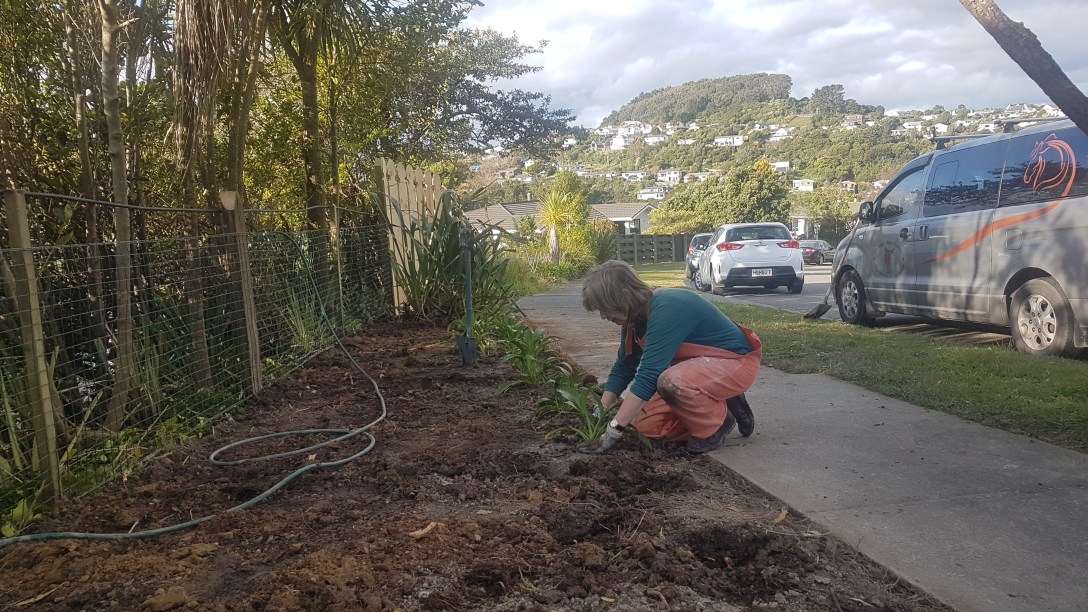
When I first started this journey, I began trialing the ‘No Mow‘ approach, leaving a portion of our small lawn un-mowed. Just to see what happened. What I witnessed was eye opening, challenging our suburban norms of why we have so many grass lawns and berms. It drew me to another form of action – planting an eco berm pathway which could connect our insect pollinators to fragments of bush, and at the same time maybe connect people who live here.
Continue reading “Contemplating eco berms, challenging norms?”Tag: native flowers
Seeds, winds, circlings
Autumn equinoctial winds whip through neighbourhood lanes. It’s a circling back to this time last year when I began consciously noticing and photographing what’s happening with insect pollinators and other more-than-humans living here.
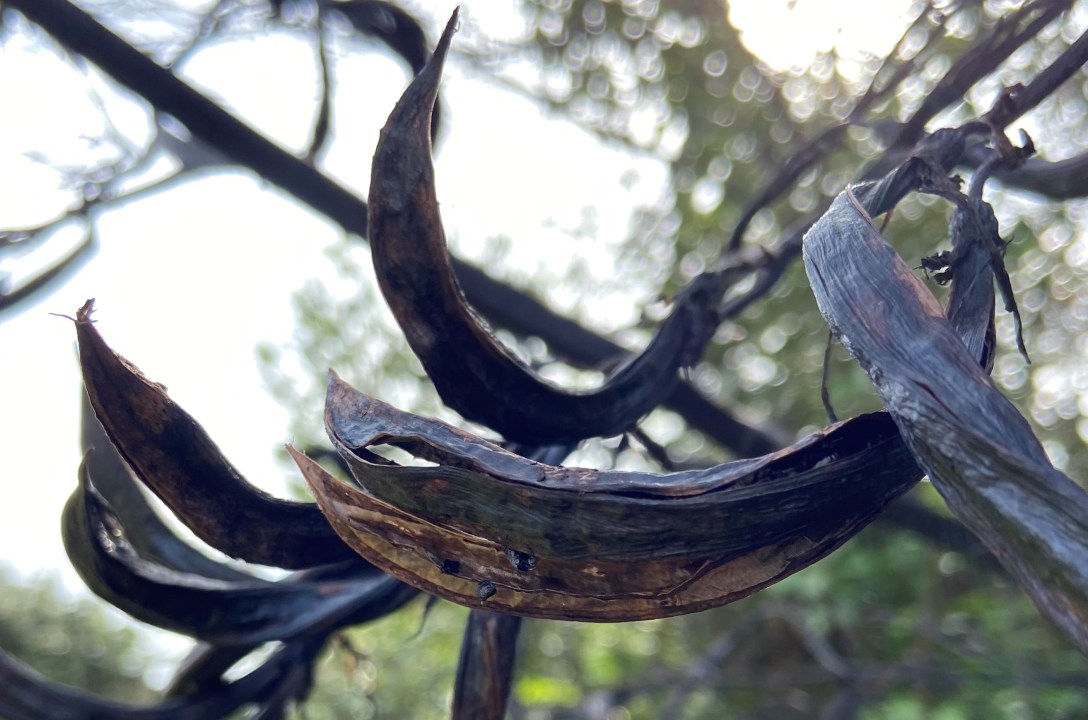
Hopping chaffinches laboriously harvest the oily black seeds spinning out of cracked flax pods. And the wax eyes have arrived back in the hebes, picking at a potpouri of seed heads. Swollen fruit and berries – from flowers fertilised earlier by pollinators – begin to release and die. A profusion of their seeds scatter out. Capsules of future life. The valley reminds me of the repeating pulses, patterns and cycles. Old friends again.
Continue reading “Seeds, winds, circlings”Following fragrance and frenzy
We are slowly tilting towards the sun’s warmth. Our neighbourhood is flushed with colour and fragrance. A frenzied relationship between flower-insect-bird is taking place: pollen movement and fertilisation for the plant and pollen protein and nectar energy for the pollinating insects and birds. The wild energy is understandable. Life is impermanent. The exchange is momentary.
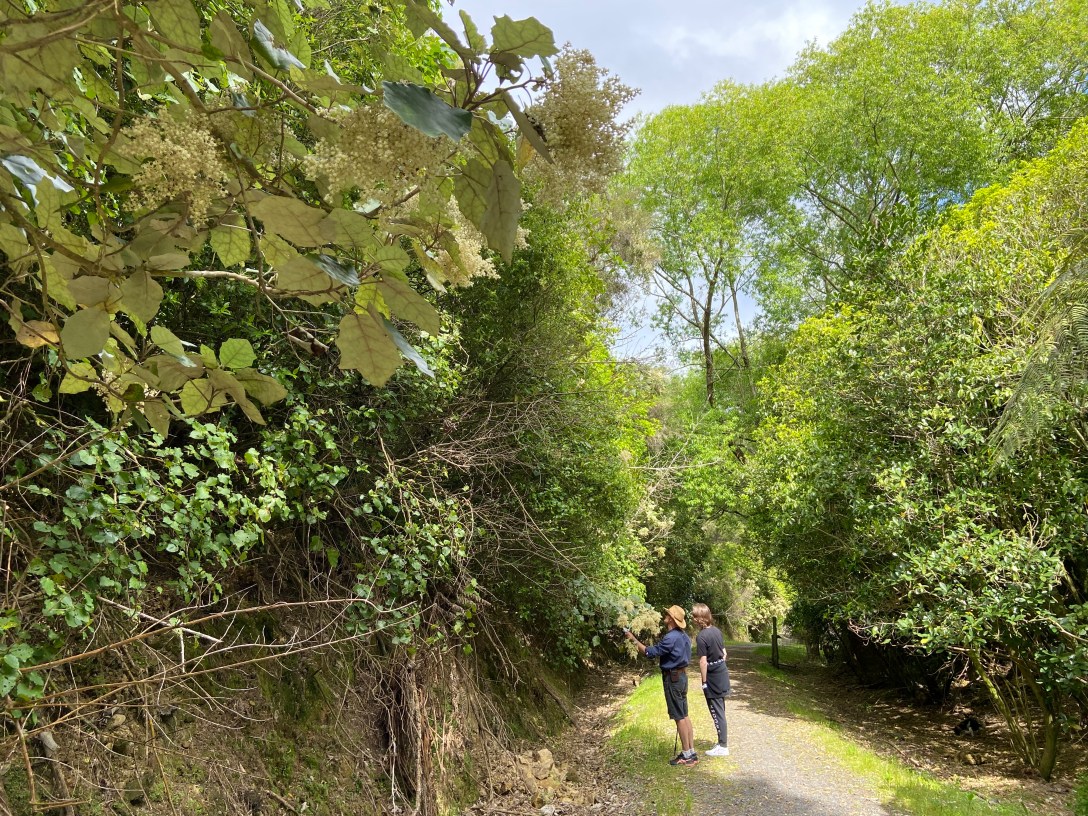
Ornamental cherry, lavender, magnolia, camelia, and rhododendron were the first noticeable signalers on berms, leaning over private fences. Now it’s the dreamy scents from the less obvious flowers of our native trees which are luring me and the pollinators. There’s the small cream, white or pale green florets of tarata (lemonwood), rangiora, tī kōuka/cabbage tree, pāpāuma/kāpuka/griselinia and the dark purple/red of kōhūhū, karo and the stunning spiky orbs of rewarewa. Frustratingly I can’t follow everywhere the bees, moths, beetles and flies go, up high or deep into bushes or in other people’s gardens.
Continue reading “Following fragrance and frenzy”Welcome to Edge of Things
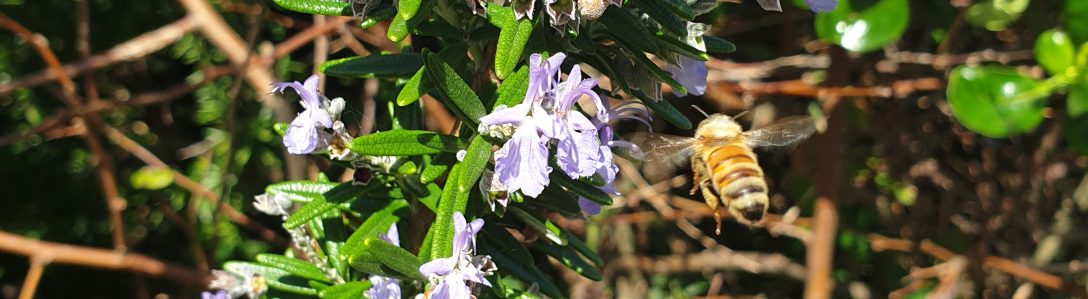
Welcome to this experimental journey where I’m attempting to pay closer attention to everyday encounters with pollinator insects like bees, butterflies, and moths in the places we live. Insects are declining drastically across the planet, yet they are vital to all life. I’m curious about who survives in my neighbourhood, how we relate with them, or they with us. So, I’ve committed to a walking routine along various street verges, tracks, unused plots, and small parks in the Porirua suburb of Whitby, plus my own tiny backyard, to journal, photograph and video day-to-day moments with these more=than-human beings. I’m also seeking to connect with my neighbours, locals, and others to gather and share stories of encounters with the insects.
Why am I doing this?
I’m a journalist, communicator and artist and this blog is part of a research project with Victoria University of Wellington. Like so many others during our COVID lockdowns, I noticed that when the human buzz subsided, we had space to notice little things in backyards and on local walks. We heard uncommon trills, chimes, and warbles across valleys and city streets. Bees hummed around wildflowers popping up in less manicured and neglected verges. When humans retreated, it seemed there was an opening for other beings to re-flourish. I’m hoping to creatively explore these relationships further, particularly with insects who often go unnoticed.
Continue reading “Welcome to Edge of Things”