Mothing

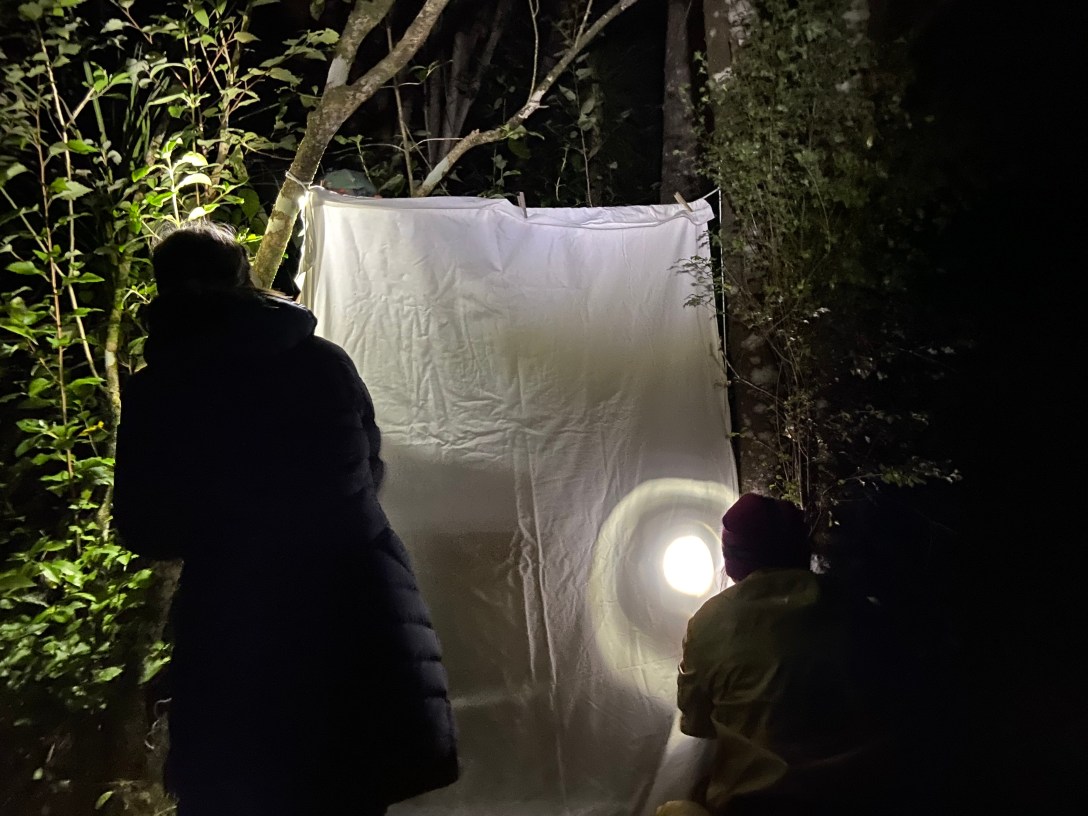
If you see torches flashing in the bush this Saturday night, you’ll know it’s just us!”  I’d emailed nearby neighbours to let them know a small group of us were going down the Carvel Walkway to discover what nocturnal moth neighbours we might have, attracting them to us with a home-made light trap.

Darkness descended around 8.30pm, our cue to head down to a spot in the bush, just beyond streetlights and glows from home windows. And if anyone was looking from those windows as we walked past they may well have fallen about laughing. Fey had jokingly made us bibs titled moth count supervisor and moth count interns to wear over our rain jackets and over-trousers. And combined with flashing headlights strapped to beanies our rather bizarre looking convoy marched down the road. I really wasn’t sure how this experiment would go.

Continue reading “Mothing”
Kinetic paths and orientation

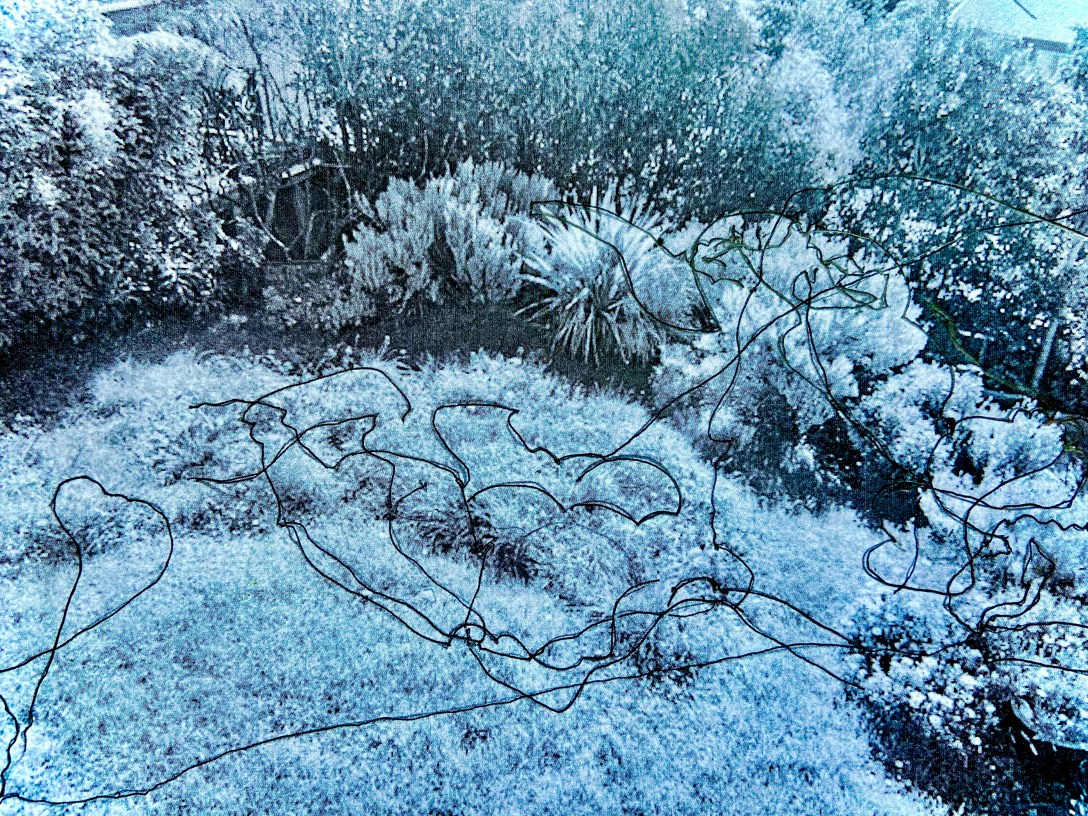
Still stuck at home with the flu, with little energy to much neighbourhood walking, Instead I get curious about the vitality of insects, and attempt to map their kinetic energy and pollinating pathways, during moments of warmth and sun following days of grey skies and rain. For half an hour I make line drawings, trying not to look at the paper, letting my eye and hand follow the paths of bees and flies as they fly in and out of frame, feeding on flowers.

Continue reading “Kinetic paths and orientation”

Night of the Bag Moth

Bag Moth

It’s Aotearoa Moth Week! Science communicator, Morgane Merien says moths or pūrerehua are incredibly important. We have over 1800 species of moths in New Zealand, with around 90% of them being unique to here. They get a “bad rap” but are wonderful pollinators – second only to bees, an important food source for birds, and indicators of healthy environments (like a canary in a coal mine). Yet, relatively little is known about them and whether they too are declining like many insects.

Continue reading “Night of the Bag Moth”

Queens and Storms

The weather has turned. A low-pressure bomb travelled up from Antarctica and into the Tasman Sea, lashing thunder, rain, hail and tornadoes onto our coast.

Walking down to Pauatahanui Inlet, my nose and eyes stream in the wind, tips of fingers icy. I notice a white-faced heron, hunched in ruffled grey coat, observing the brown waters that race into the inlet from Whitby’s streams and drains-turned-torrents, flipping storm water lids. Seagulls turn steeply, their undersides flashing white under pink clouds. The sound of traffic as evening commuters head home to warmth, children and dinners. A driver yawns. Back up at Postgate Park a huge gum tree has crashed down, perhaps overnight. Its remains lie in butchered lumps and splinters, after someone has been in with a chainsaw. Old yellow toadstools lie in the grass nearby, rotting like sloughed skin. On the news I hear that hundreds of kororā/little blue penguins have washed ashore up North at Ninety Mile Beach. A DOC spokesperson believes they are starving to death as climate change is creating waters too hot for the fish they feed on.

Continue reading “Queens and Storms”