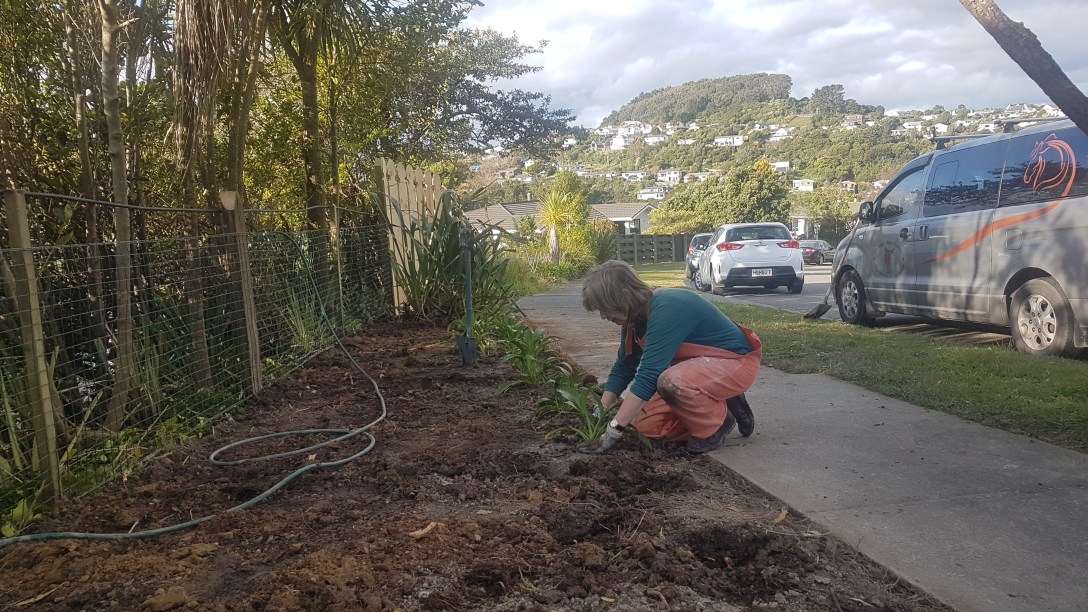
When I first started this journey, I began trialing the ‘No Mow‘ approach, leaving a portion of our small lawn un-mowed. Just to see what happened. What I witnessed was eye opening, challenging our suburban norms of why we have so many grass lawns and berms. It drew me to another form of action – planting an eco berm pathway which could connect our insect pollinators to fragments of bush, and at the same time maybe connect people who live here.
Continue reading “Contemplating eco berms, challenging norms?”Tag: butterflies
Last dance
She is tattered, at the end of her short life. Her body shakes and shivers. I tiptoe closer but she’s too preoccupied to bother with me. Slowly she clasps a bunch of leaves with thin black legs and draws her abdomen up into a sickle shape, with the tip pressing under a leaf depositing a tiny pale-yellow egg. She repeats this process several times resting in between, vibrating. It’s a big effort and I marvel at her energy and determination. At her peak she may have been laying between 300-400 eggs at a rate of 40 eggs a day! Now on her last legs she is perhaps the last of the female monarchs that will visit our swan plant/milkweed. There is a slim chance her offspring might slowly pupate through winter and emerge as new adults in spring. And there are other reminders that this is a time, a season, of dying and release.
Continue reading “Last dance”Monarch dance
Earlier this year I watched as one of the first monarch butterflies circled the milkweed/swan plant below our deck. This time I grabbed a pencil and traced her flow on paper, intrigued at her mysterious path of many careful circuits. The drawing ends up a puzzling maze, as if meant to confuse. My notes read she spends minutes circling and making approaches to the plant, swooping past pumpkins, the mustard seed, the raspberries, the snowball tree, diverting attention? Perhaps checking it’s safe, scenting? It’s a dizzying energetic dance, never still. I trace the lines over and over trying to follow the complicated passage.
Continue reading “Monarch dance”Out of whack
I feel out of whack. Contemplating powerlessness and unpredictability in the wake of the recent climate floods. The bubble of societal comfort burst overnight. Does awful natural force ironically provide sight lines to sensing imbalance?
On a vastly different scale other things tug in the same direction. The other day we visited Mike our local beekeeper at his honey stand in Brown’s Bay. There’s less manuka honey than normal for this time. The manuka flowering season was shorter this year, even the kanuka was over in a few days due to the wet and wind. That explains why I never saw the usual white dusting, like icing, across the valley. And there’s less honeycomb too – the bees have been eating more of it to sustain themselves over the damp summer.
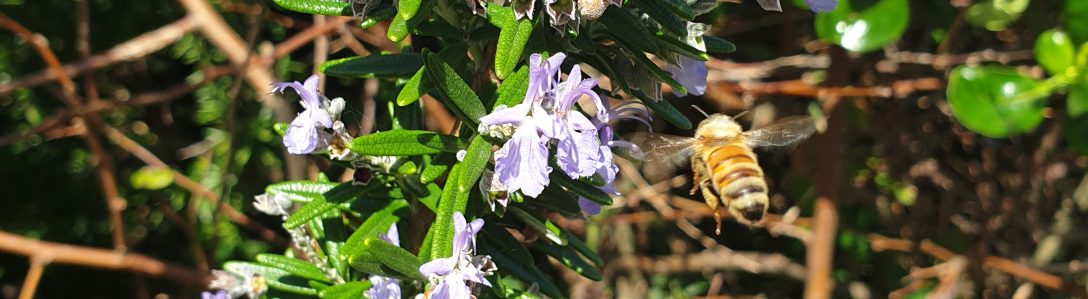
Female monarch butterflies have only just started to visit my swan plants in earnest in the past two weeks to lay small pale yellow eggs. It seems late. They are also sensitive to temperature. Last year was a disaster. Hundreds of caterpillars stripped my few small plants within days, then humped off starving, in the hopes of finding food elsewhere, or to die. This year I got a head start, planted early (late winter) and now have lush full-grown plants. But not many caterpillars. Most live for a day or so then disappear before they mature. They are probably being taken by the many wasps around that hunt for protein to feed their queens.
Impotence has crept into my haphazard attempts to support the local butterfly population.
Marie and Alan: on living alongside others
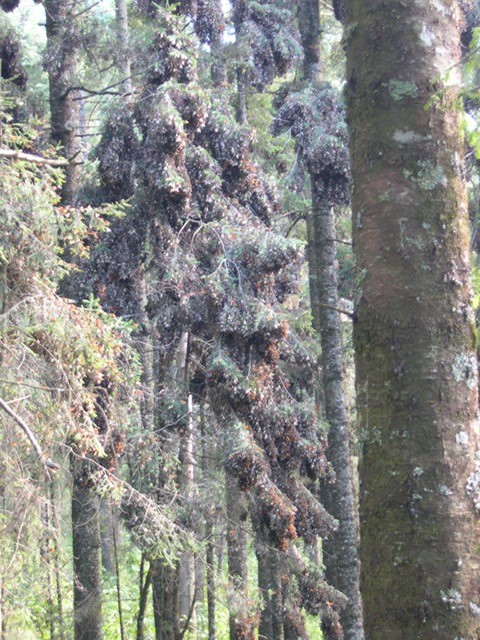
Whitby locals Alan and Marie, have kindly allowed me to share a couple their stunning photos (above and below) from their trek to visit endangered monarch butterflies overwintering in Mexico’s Sierra Chincua sanctuary. At about this time of year (Northern Hemisphere’s autumn) the butterflies migrate up to 3,000 miles from Canada and North America – an incredible natural phenomenon.* “The sound of their flapping was like light rain” says Alan. Their local guide, Raúl Hernández, remarked “if there was a god they would be here”, recalls Marie. Her thoughts drift back to when they heard, years later, that Raúl and fellow activist and manager of the federally protected Reserva de Biosfera de la Mariposa Monarca (Monarch Butterfly Biosphere Reserve) were killed in suspicious circumstances. The tensions between local communities seeking sustainable tourism from the Reserve and others carrying out logging and clearcutting for avocado plantations underscore the forced marginalisation of human and butterfly from ancient lands.
The trip inspired Marie and Alan to do something for the Whitby butterfly population and other pollinators. So over a cuppa we started talking about that but the conversation seemed to have its own pathway, floating, butterfly-like, into discussions about living in a community and a collective culture in a local place.

Tree branches droop with the weight of millions of monarch butterflies, wings closed, in huge clusters of tightly packed formations. Their brown masses well camouflaged, resembling parts of the oyamel fir and pine forests in which they overwinter in Mexico.
Photo credit here and above: Alan and Marie Roberts, Whitby